Darkweb Market: The Fresh Frontier of Commerce
Over the past few years, the darkweb has emerged as a fascinating yet disputed domain for business. This concealed part of the internet, often veiled from conventional search platforms, provides a singular marketplace where anonymity and privacy reign dominantly. As people more and more seek out alternatives to regular retailers, dark web platforms have emerged as a fresh frontier for those prepared to navigate their intricacies and perils.
The attraction of these darknet platforms lies not just in the goods offered, but also in the notion of freedom they offer. Users can access items and amenities that may be hard or unlawful to obtain through traditional means, from rare items of interest to medications. However, this lawless environment also contains substantial risks, ranging from scams to criminal practices. Comprehending the nuances of dark web platforms is essential for anyone curious in the changing landscape of internet trade.
Grasping the Dark Web
The darkweb refers to a section of the web that is not cataloged by traditional search engines, making it inaccessible to the typical user. It functions on an protected network, demanding specific software, settings, or credentials to access. While the darkweb is often associated with illegal activities, it also serves as a venue for security-minded users seeking to avoid government surveillance or advocate for free speech in repressive regimes.
The primary way to access the darkweb is through the Tor network, which hides users by routing their communications through a series of volunteer-maintained servers. This concealment has made the darkweb a haven for various activities, both permissible and illicit. Users can explore forums, shops, and other offerings where their details are protected, contributing to the attraction of this covert part of the internet.
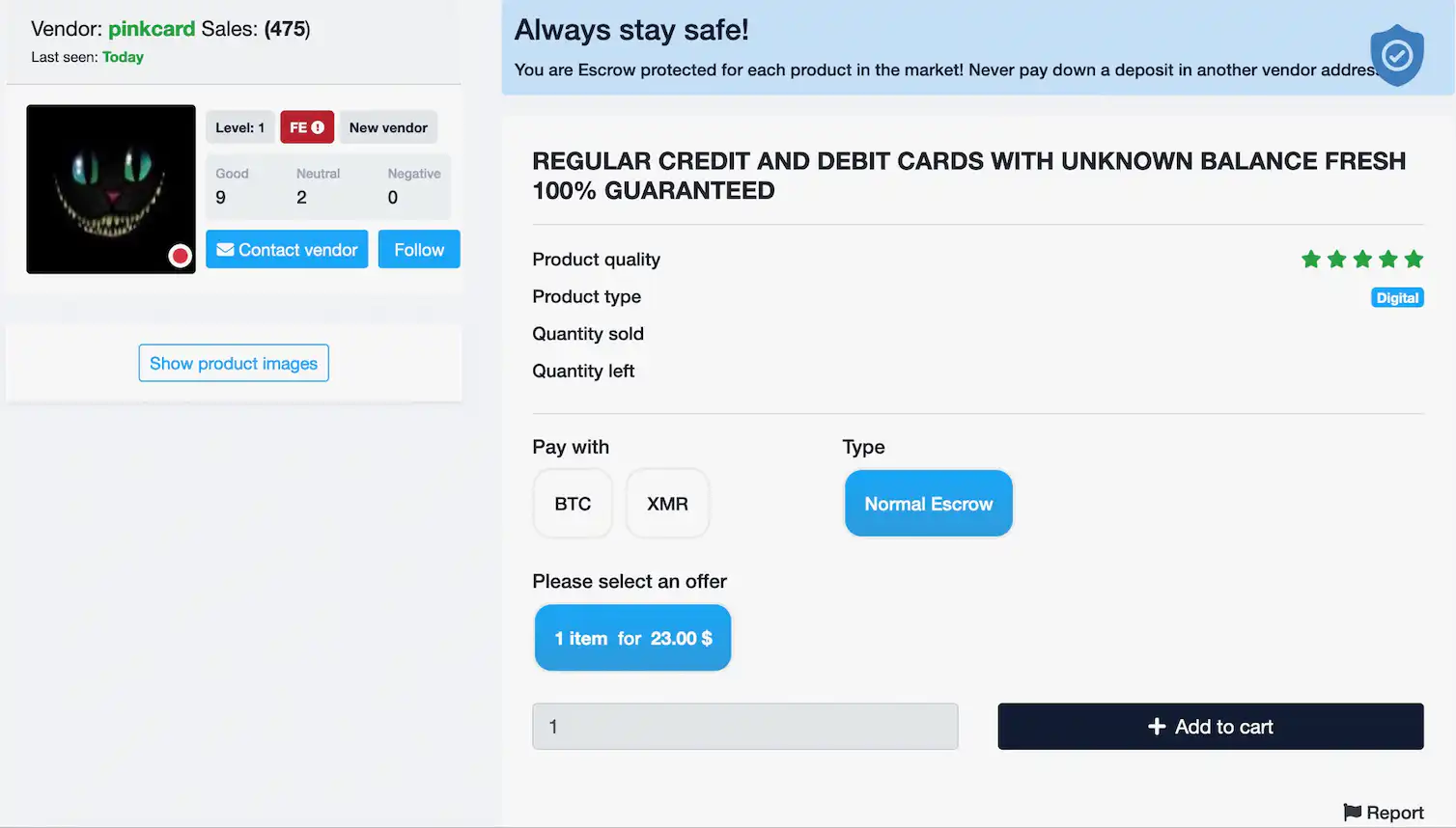
Despite the illicit reputation of darkweb markets, they can also allow the trade of valuable information and services. Some individuals use these platforms to purchase and sell products that may be prohibited in their regions, showcasing the paradox of the darkweb as a space for business and a sanctuary for those in need. This duality reflects the intricacies of online communication in today's digital age, as users maneuver the fine line between secrecy and lawfulness.
The Emergence of Darkweb Markets
The emergence of darknet markets has revolutionized the landscape of online commerce. At first, a specialized space for whistleblowers and activists, the darknet has developed into a thriving market for various goods and services. This change can be linked to advancements in technology and the rising familiarity of individuals with cryptocurrency, which provides anonymity for transactions. As dark market onion sought out alternatives to conventional shopping, darkweb markets began to flourish, drawing in a multitude of vendors and buyers.
One of the defining features of these darkweb markets is their lack of central control. Unlike conventional online retail platforms, these markets operate on an independent peer-to-peer framework, utilizing coded frameworks to ensure user privacy. This decentralization not only shields users from law enforcement scrutiny but also encourages a sense of togetherness among vendors. Users can share reviews and ratings, creating trust and encouraging a dynamic marketplace among sellers, which has bolstered the overall growth of these markets.
The selection of goods offered on darkweb markets is broad, spanning past illegal drugs to include virtual goods, penetration testing , and counterfeit items. This variety has increased the attractiveness of these platforms, drawing in users with varied preferences and needs. As knowledge of these markets continues to increase and the tech supporting them improves, it is likely that darkweb commerce will further embed itself in the framework of modern society, presenting both obstacles and prospects for authorities and users alike.
Risks and Issues in Dark Web Commerce
Engaging in trade on the hidden web poses considerable hazards for both consumers and traders. One of the primary concerns is the lawfulness of trades. Many goods traded on dark web markets are forbidden, including controlled substances, firearms, and stolen information. Participants may face legal consequences if caught, which can include severe penalties, monetary penalties, or even jail time. The privacy offered by the darknet does not guarantee safety from authorities that are actively watching these sites.
Another problem is the instability and inconstancy of darkweb markets. These markets can suddenly close, leaving users without access to their items or assets. Frauds are widespread, and participants must be wary to avoid counterfeit products or fraudulent traders. The lack of a controlled environment means that buyers have no options if a deal goes awry. Confidence is built on user reviews, but these can also be falsified, making it hard to assess the reliability of a vendor.
Lastly, cybersecurity risks loom prominently in hidden web commerce. Many users become marks of cyberattacks attempts or phishing scams, where ill-intentioned individuals aim to appropriate virtual currencies or confidential data. The distributed nature of the hidden web can make it difficult to canvas securely. Users must be alert about their digital footprint and take additional precautions to protect their personal information and assets, complicating an already existing risky venture.